|
|
|
|
|

|
Narrow band voice and data encryptor
ELCROVOX 1/4D was a digital encryption/decryption device for voice and
data communication, developed by Siemens
and AEG Telefunken in the late 1980s,
for use by the German Army (Bundeswehr) and NATO. The device is suitable
for Simplex, duplex and hand-duplex at 2400 baud and support the
SAVILLE encryption algorithm
that was developed by
GCHQ
and the NSA.
|
The ELCROVOX 1/4D was the successor of the ELCROVOX 1/3 and ELCROVOX 1/6
and was compatible with the American STU-II
and with European devices of the same class, such as the
Philips Spendex 40
and the Thales TCE-500/B.
The device is suitable for duplex, simplex and half-duplex
use over analogue telephone networks (PSTN)
and sends voice and data at 2400 baud.
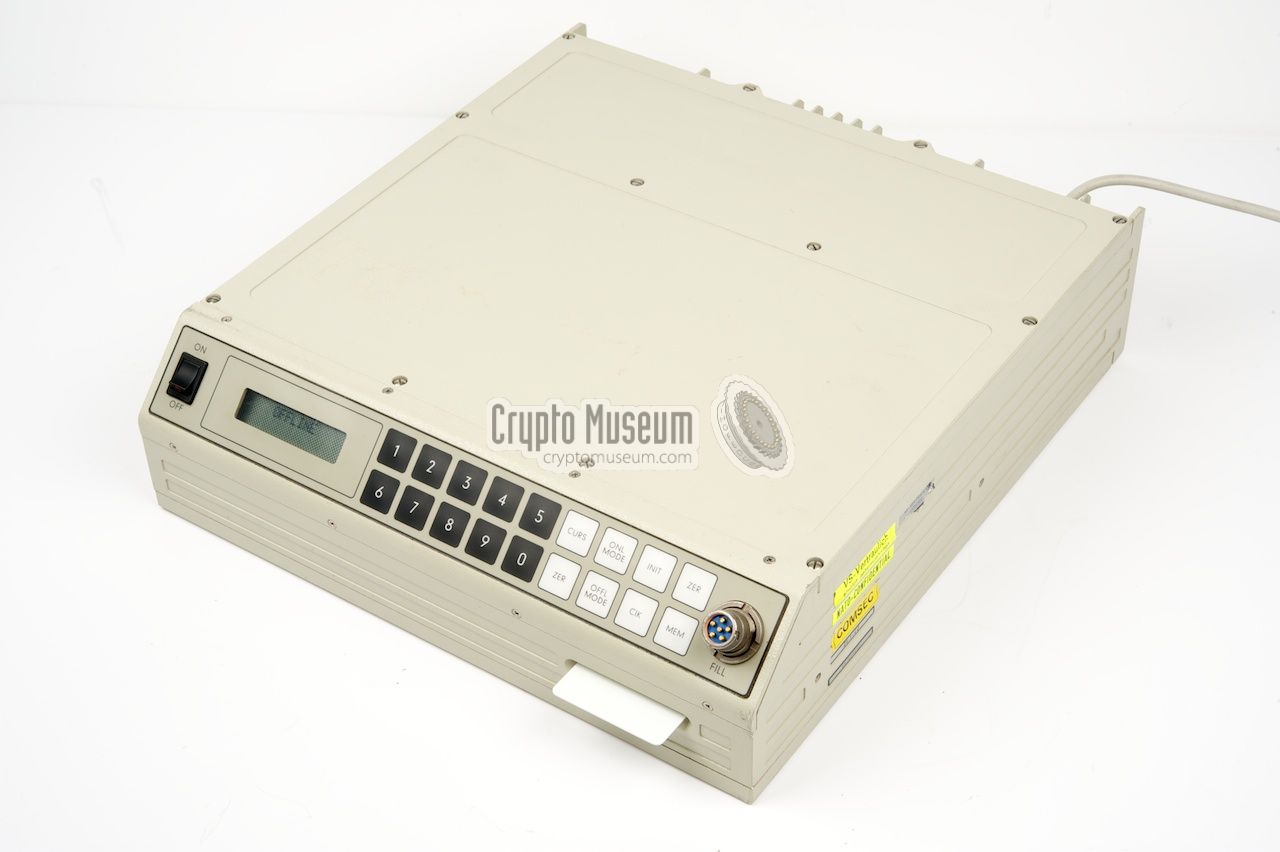
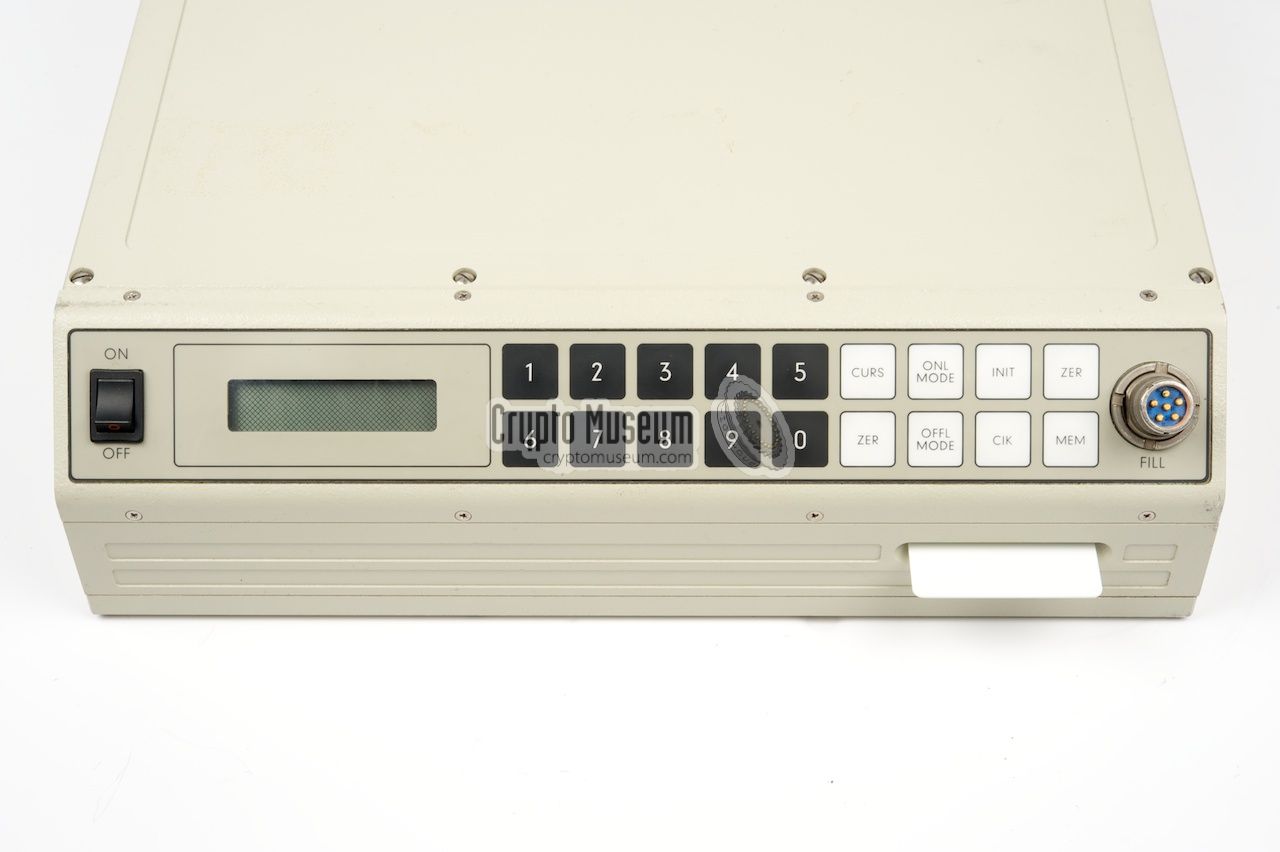
The image on the right shows a typical ELCROVOX 1-4D unit ready for use.
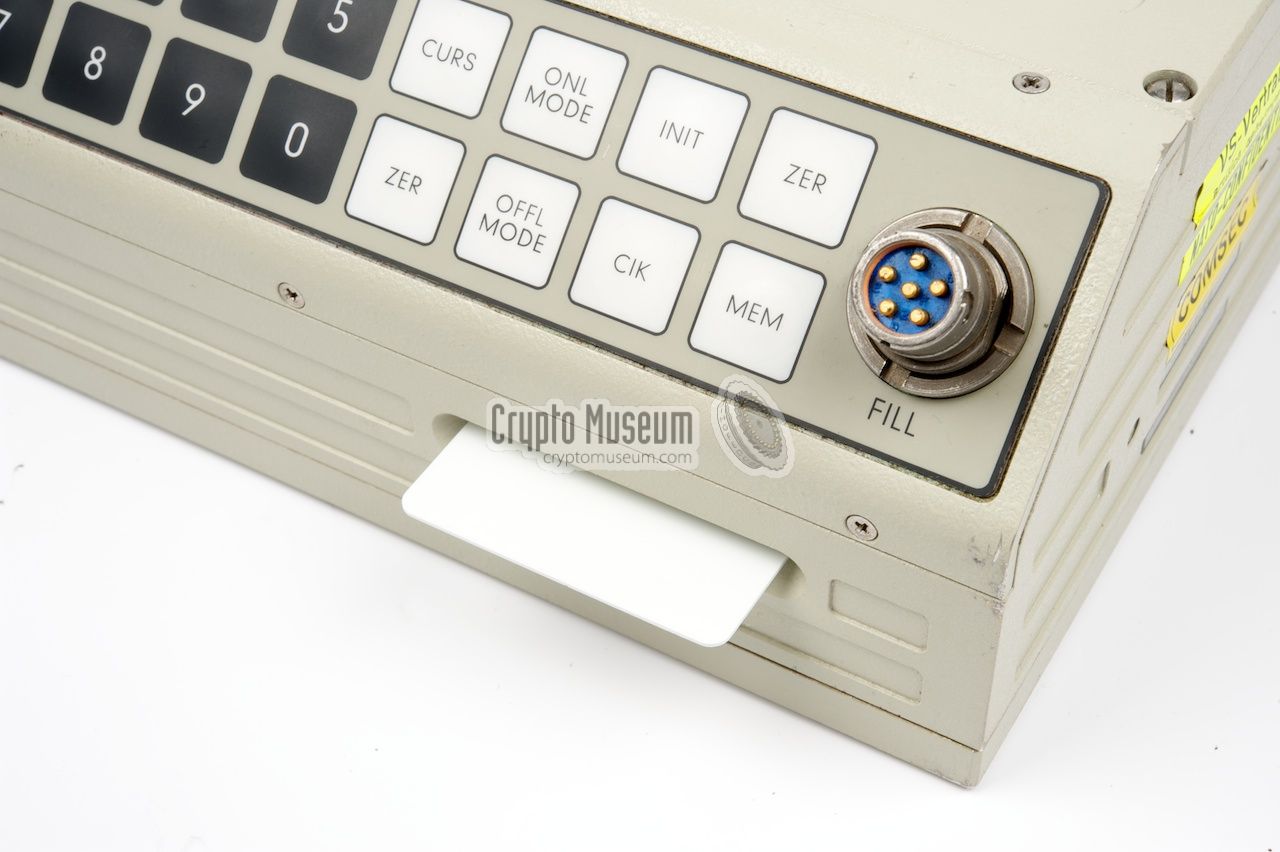
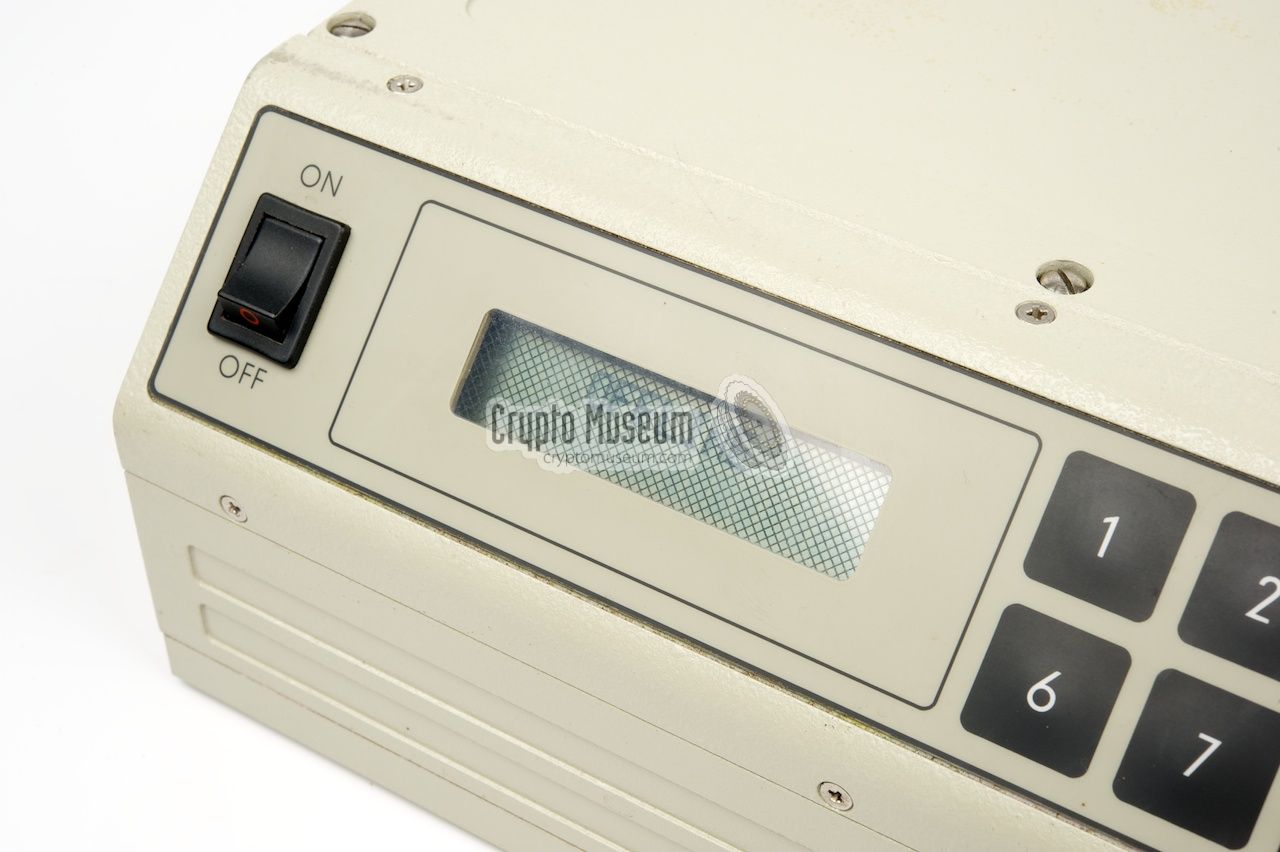
At the front is a clear sloped control panel with a 2-line LCD display.
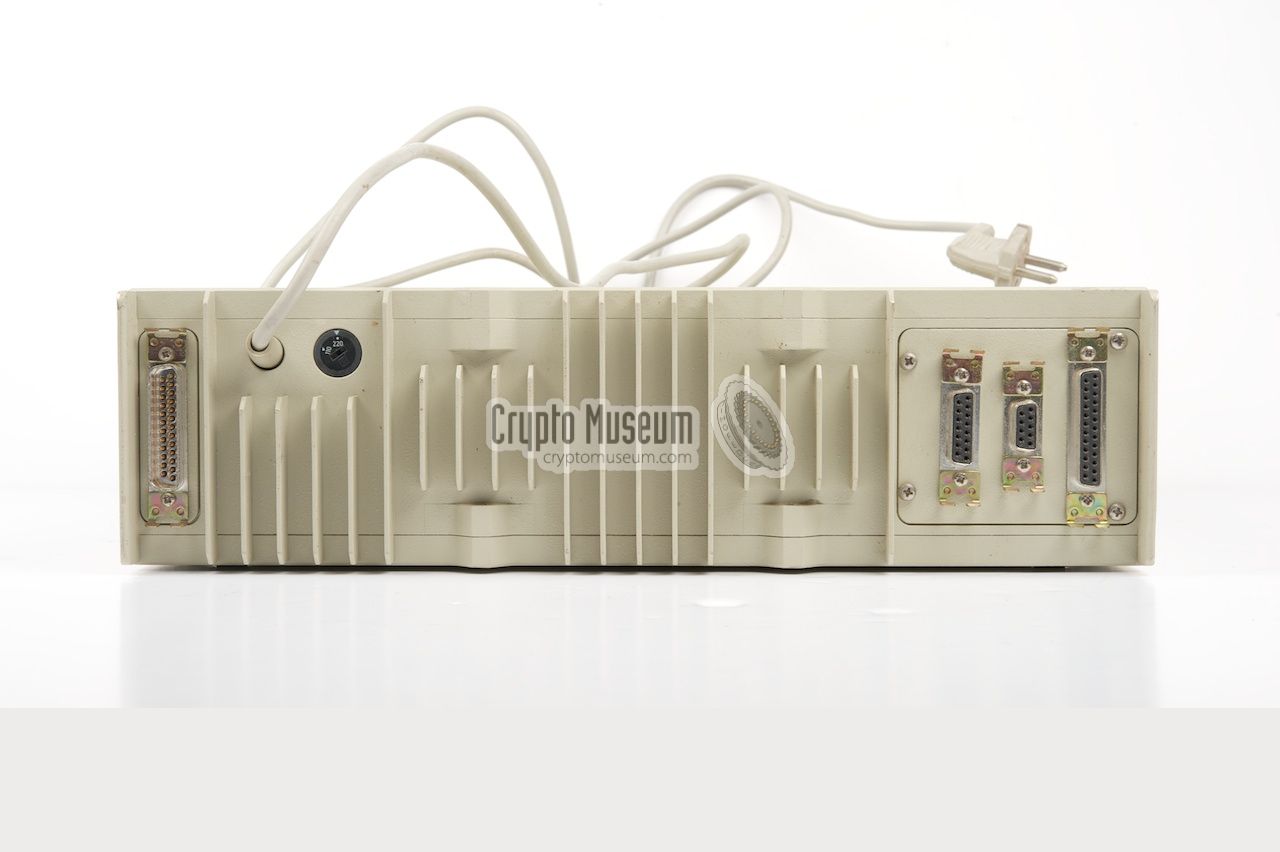
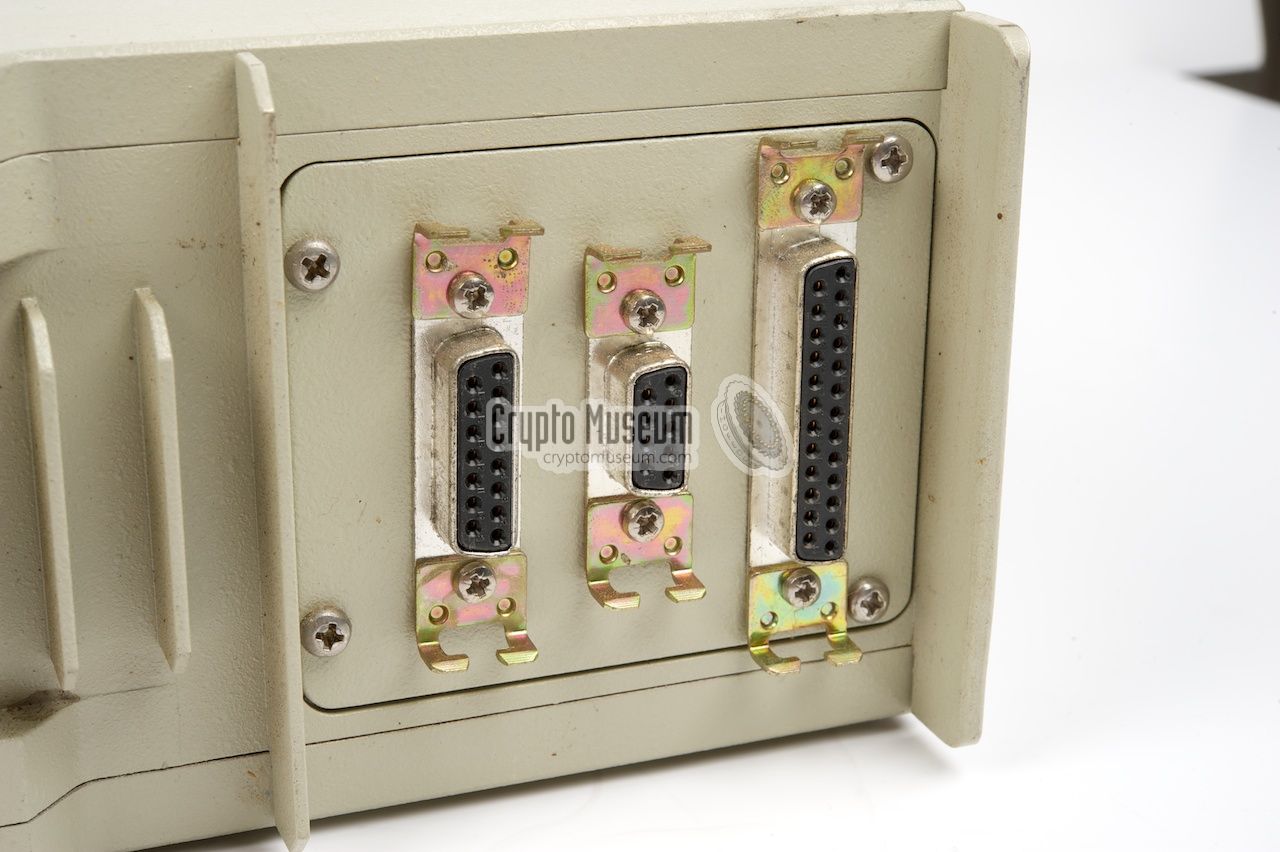
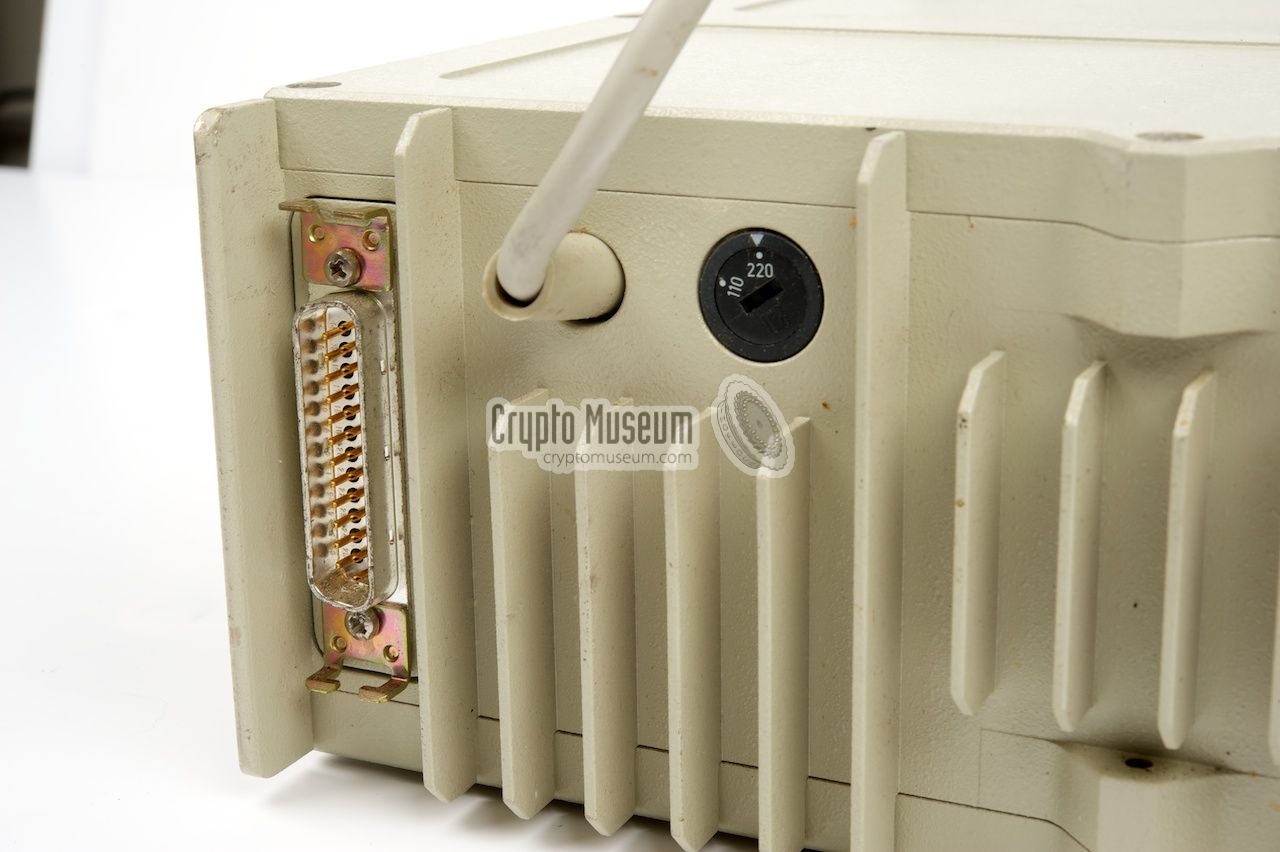
All connections are at the back.
|
|
|
The ELCROVOX 1/4D has full RED/BLACK separation and is fully TEMPEST proof.
It complies with the STU-II standard
and was approved for use by NATO
(by NICSMA). Approx 900 units were used by the German Luftwaffe and an
unknown number by other NATO countries [1]. The ELCROVOX 1-4D was
succeeded on 2002 by the ELCRODAT 5-4 which is sold by
Rohde & Schwarz
[2].
|
|
|
|
|
|
|
The first narrow band speech encryption system developed by Siemens,
was the ELCROVOX 1/3 that was introduced in 1968. It allowed digitally
encrypted speech to be sent at speeds up to 2400 baud, using a 4-wire
(alanlogue) telephone line. The ELCROVOX 1/3 was used by the German
Army and by NATO, and provided good security. Communication with the
American Army was not possible, as the ELCROVOX 1/3 was not
STU-II compatible.
In 1983, the US proposed to give 360 STU-II units on loan,
but the offer was declined as the German Government decided to develop
the ELCROVOX 1/4. This was possible because of a bi-lateral agreement
with the US for the development of STU-II
compatible products [3].
Development of the ELCROVOX 1-4 started in 1986/87 and lasted several
years. In order to be compatible with the STU-II, the device needed
to have an LPC-10 vocoder, which was implemented in a Texas Instruments
(TI) DSP, similar to the one that was later used in the
STU-III.
Furthermore, the ELCROVOX had to support
SAVILLE, a highly secret
encryption algorithm developed by GCHQ
and the NSA in the late 1960s.
Initially, the Siemens developers had implemented the algorithm in firmware,
but after the NSA
disapproved of any firmware-based implementation of
SAVILLE,
a dedicated chip was developed instead.
|
The ELCROVOX 1-4 is housed in a heavy die-cast aluminium enclosure
that measures roughly 33 x 35 x 9 cm. It can be placed at a table top
and has all controls at the front on a sloped control panel.
All connections are at the rear. A suitable telephone set can be placed
on top of it.
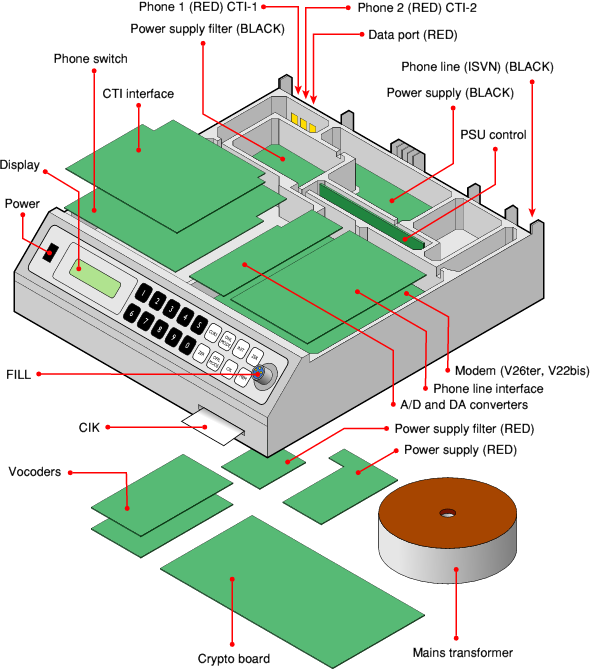
The case is highly compatimented in order to provide optimum TEMPEST
shielding and the top and bottom panels even contain metal gaskets
in order to avoid any unwanted emination. The case can be divided
into a top half and a bottom half. There are 8 compartments in the top half
and 5 in the bottom section, housing a total of 13 Printed Circuit Boards
(PCBs) and the PSU.
The image above shows the location of each of the PCBs. As the device
has full RED/BLACK separation, there are two independent power supply
units, one for the RED side and one for the BLACK side, each with their
own filtering. The BLACK parts are all at the top, whilst the RED parts
are at the bottom. For this reason, the crypto board and the vocoders
are also at the bottom.
|
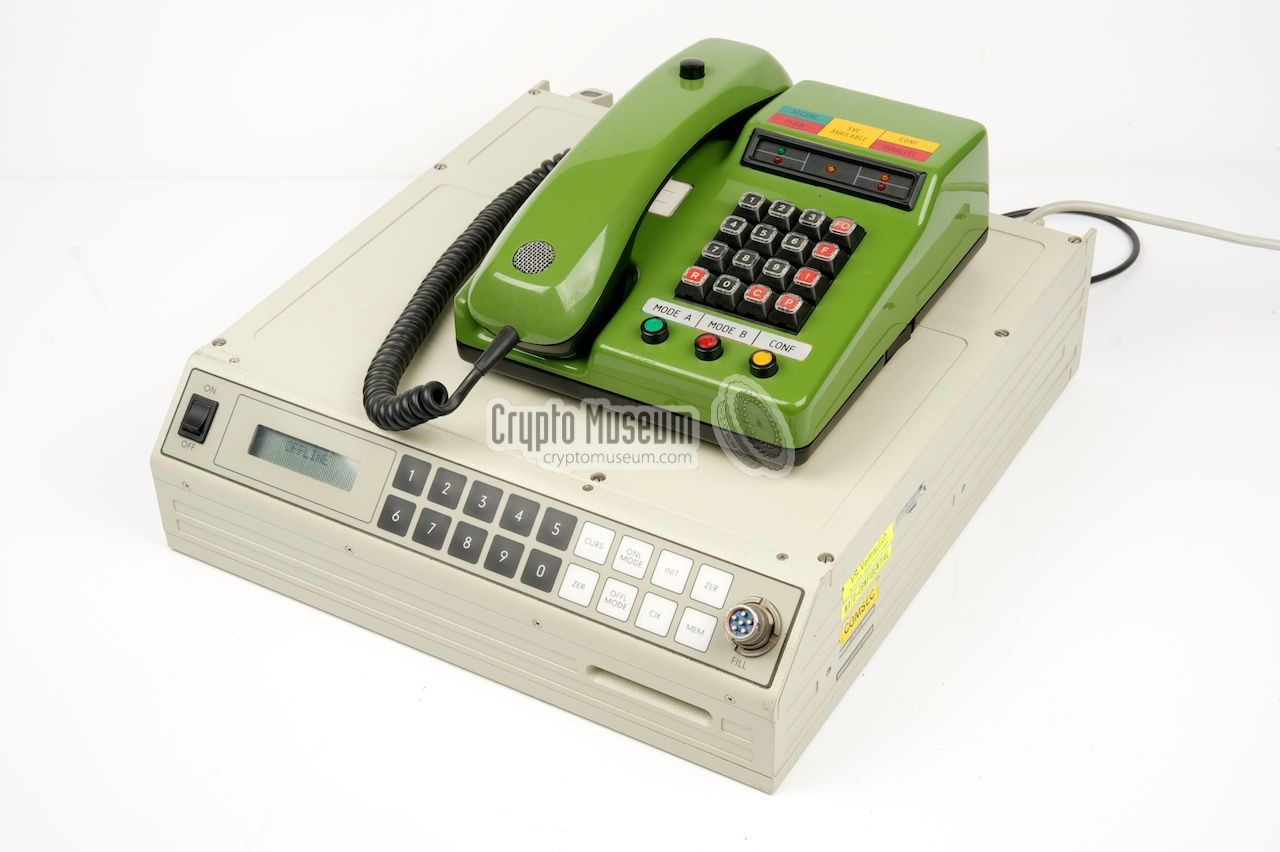
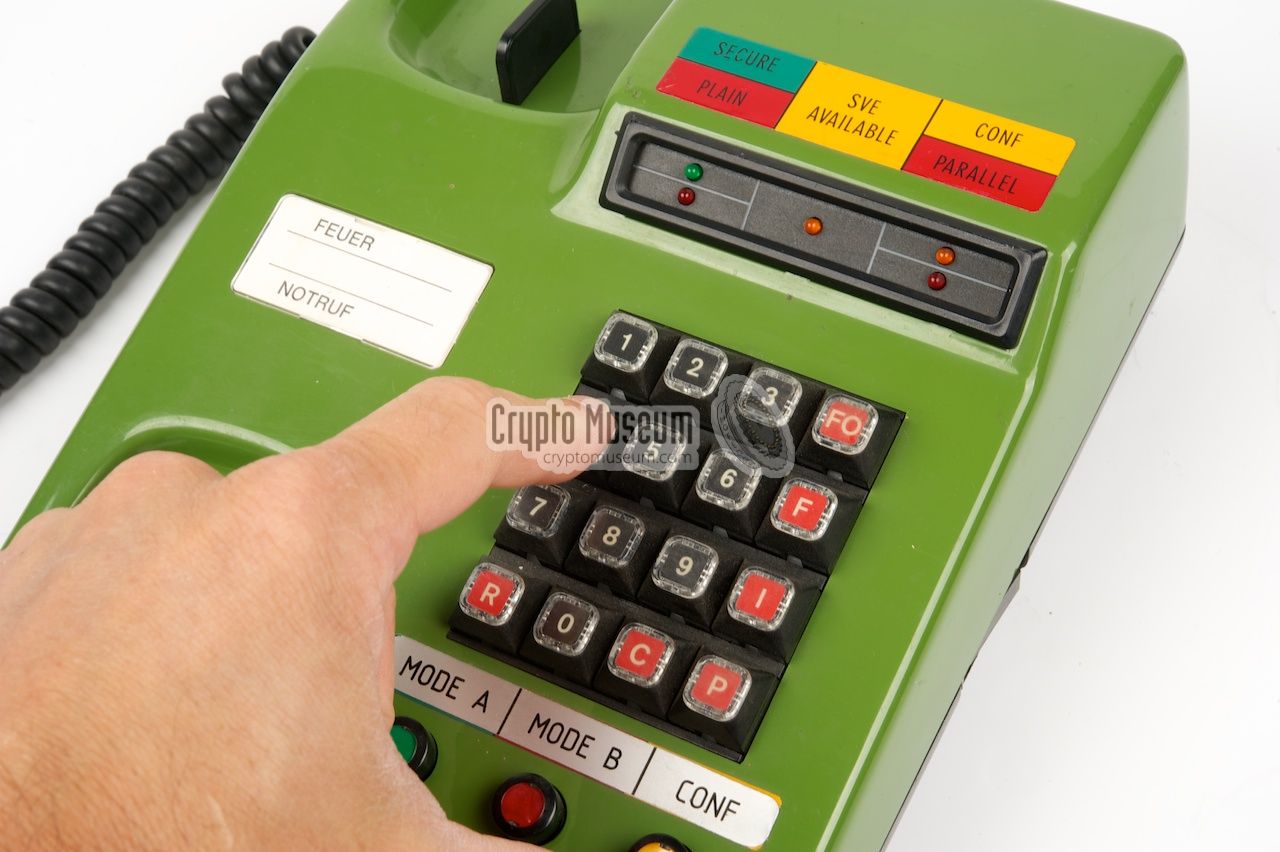
Once the Elcrovox 1/4D is properly initialized and a valid key
has been loaded, a secure telephone call can be set up. Placing
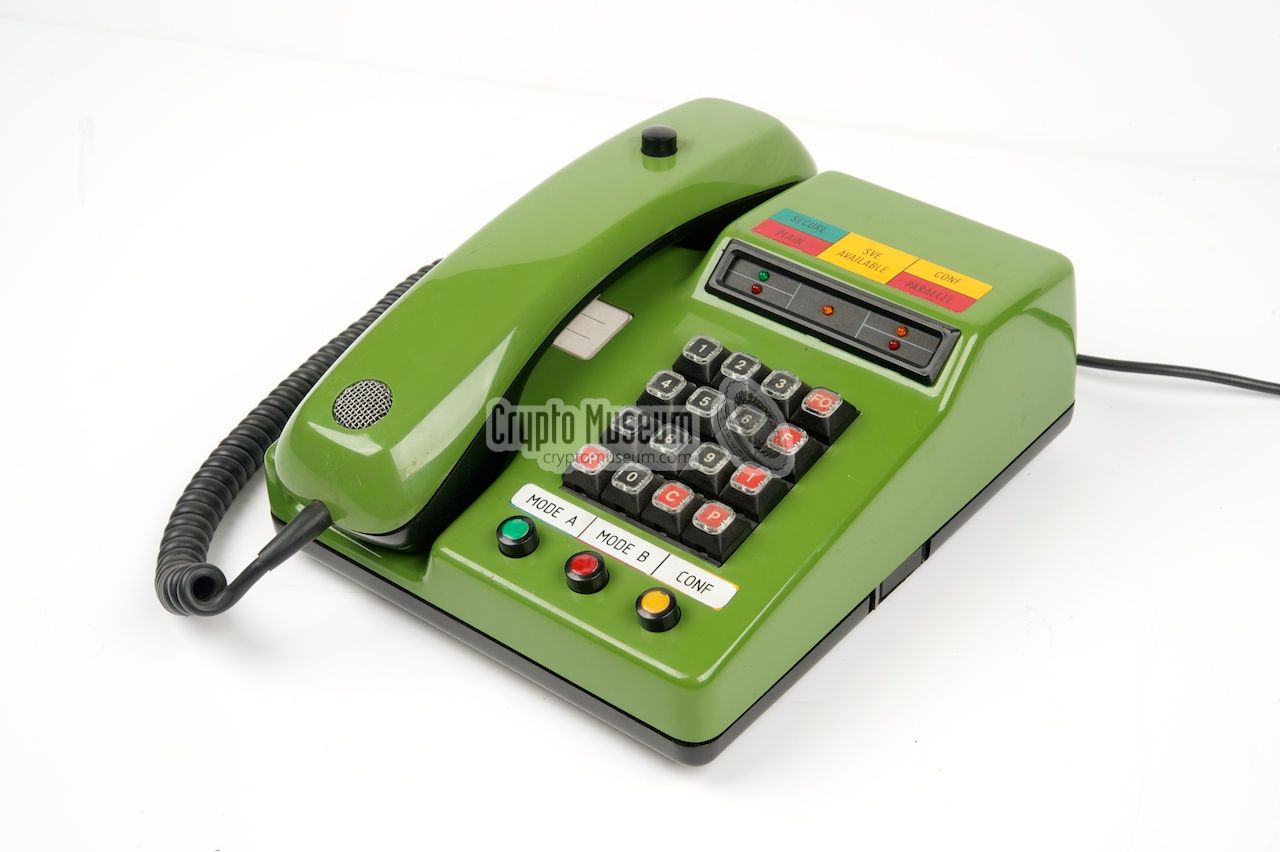
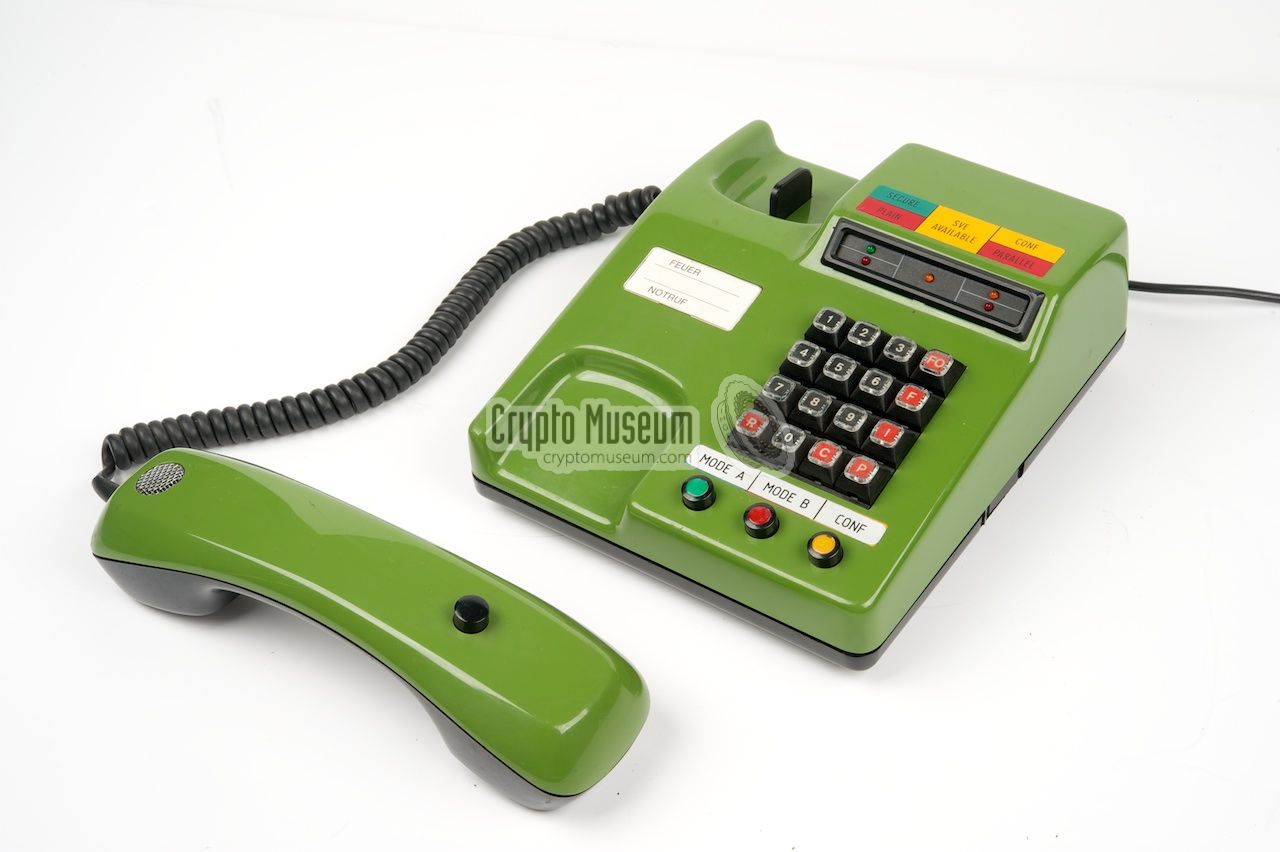
a call is possible via the Crypto Telephone Instrument (CTI)
shown in the image on the right.
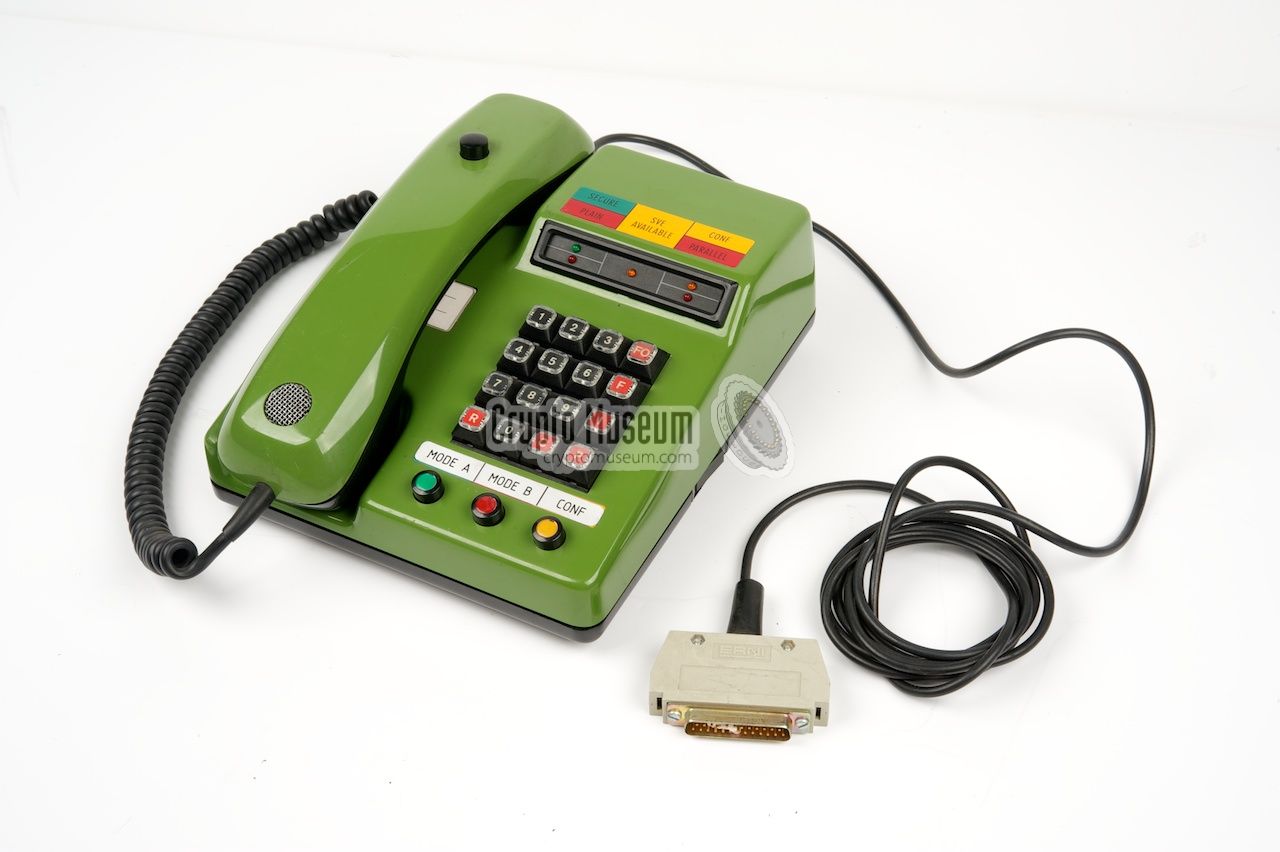
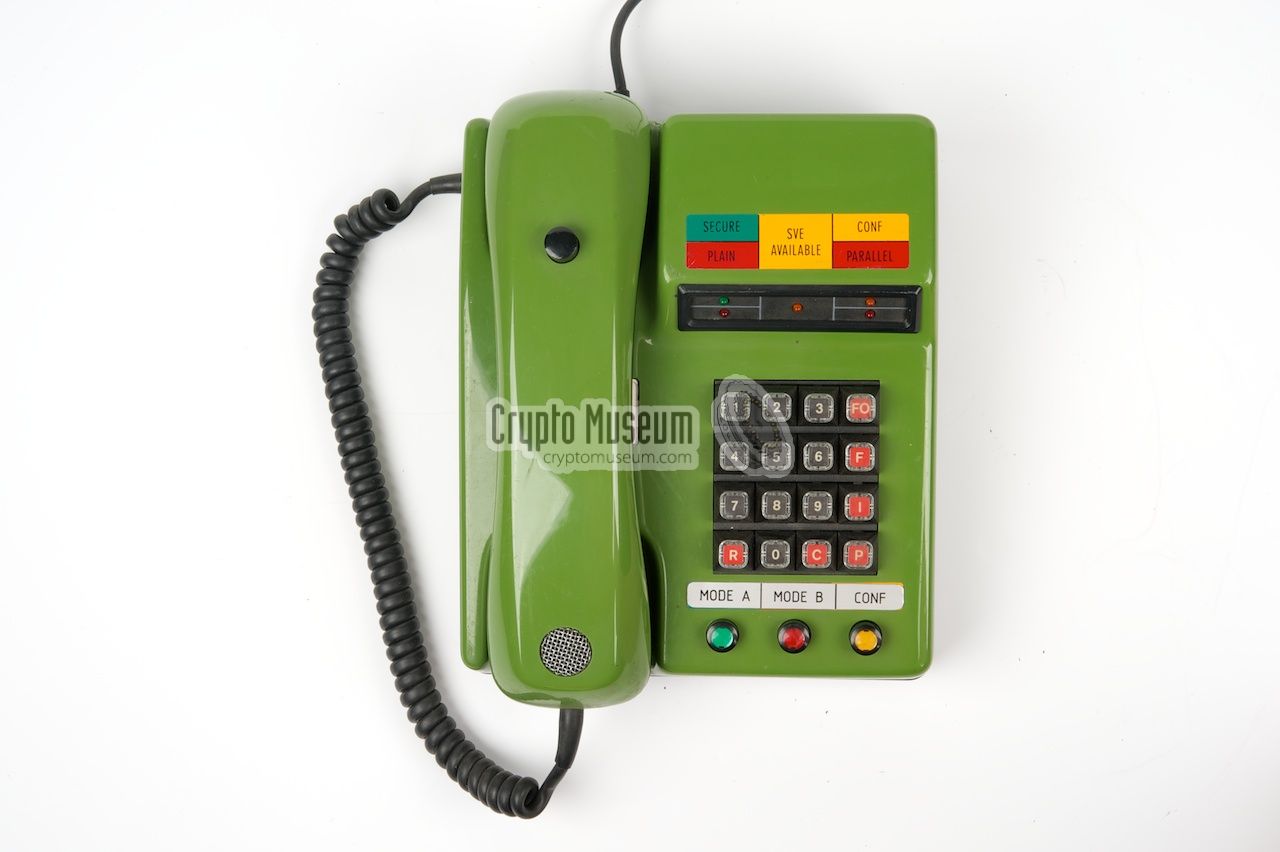
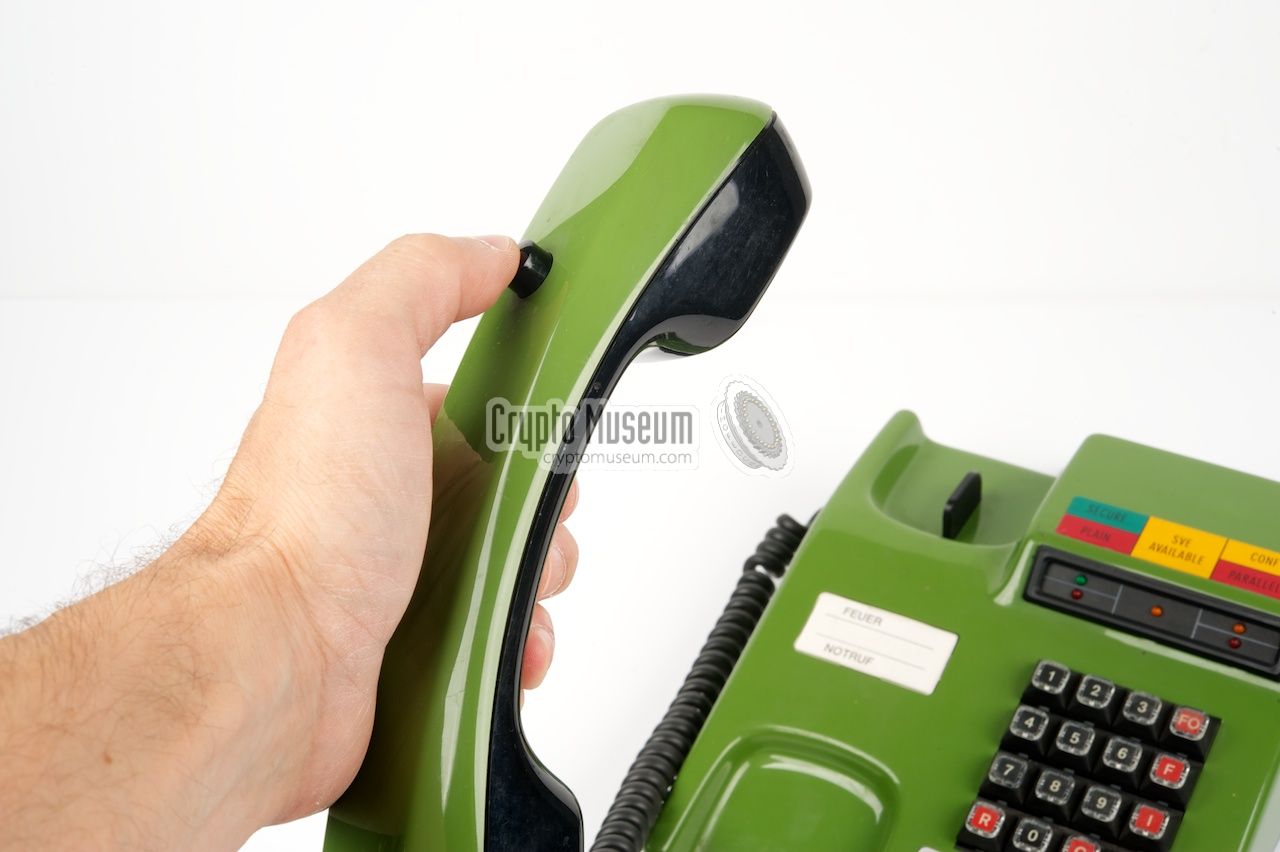
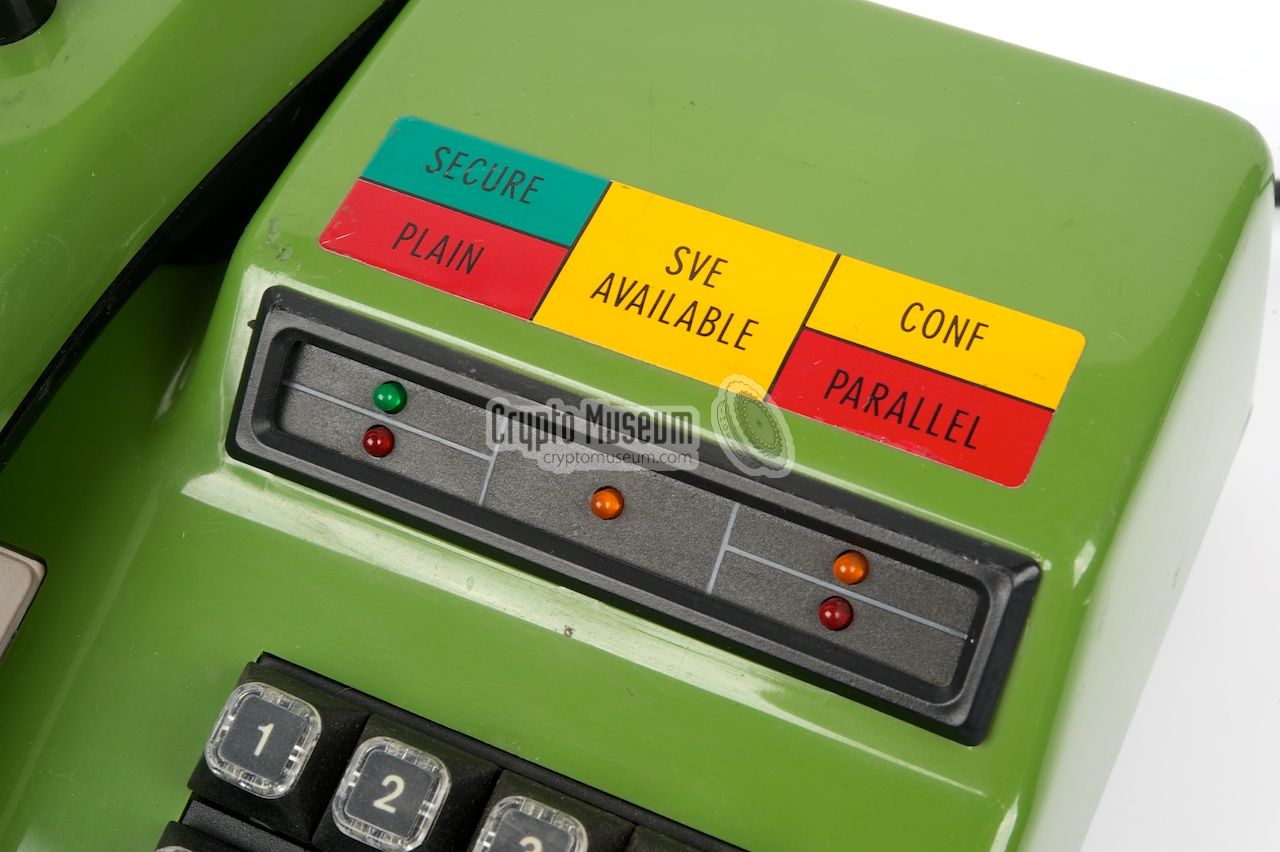
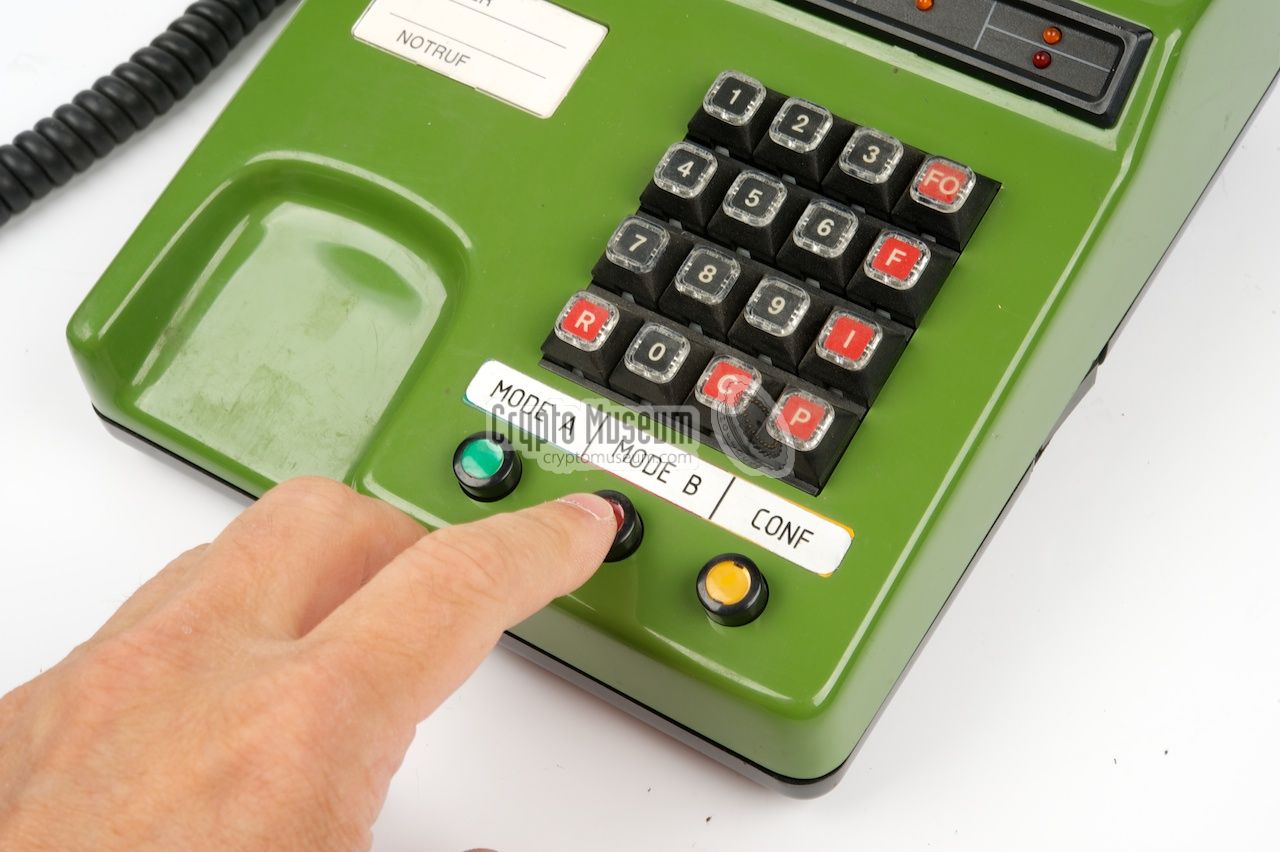
The CTI is in fact a standard telephone set from
Telefonbau und Normalzeit GmbH (TN), which has been modified
with extra keys and LEDs. It is connected to the CTI-1 socket
of the Elcrovox 1/4 by means of a 25-way male D-connector.
|
|
|
|
The Elcrovox 1/4 was part of the ELCRO family of devices that started life
in the 1960s. For the ELCRO family, a specific cryptographic unit was developed
by Siemens, which was known as ELCRO-LOGIC, although some systems, such as
the ELCROVOX 1/4, supported other algorithms as well.
The ELCRO-family consisted of the following product groups:
|
- ELCROVOX
- ELCROTEL
- ELCROBIT
- ELCRODAT
- ELCROMUX
|
The ELCROVOX family was initially developed by Siemens
and partly by Telefunken in Backnang,
which was a joint venture between Siemens and AEG.
The part of Telefunken that was responsible for this development was
later renamed to ANT,
which is why this name may also appear on some of
the equipment. In the early 2000s, development and marketing
of the ELCRO range of devices was taken over by
Rohde & Schwarz (R&S)
in München (Munich, Germany).
|
The Ecrovox 1/4 is interoperable with the following devices:
|
- Joachim Beckh, Blitz & Anker, Band 2: Informationstechnik...
ISBN 3-8334-2997-6. pp. 292-293.
- Rohde & Schwarz, ELCRODAT 5-4 Date Sheet
February 2012. Retrieved August 2013.
- The Joint Chiefs of Staff, Memorandum for Record. WINTEX 83 First Impressions
12 April 1983. Declassified 14 December 2012.
|
|
|
|
Any links shown in red are currently unavailable.
If you like this website, why not make a donation?
© Copyright 2009-2013, Paul Reuvers & Marc Simons. Last changed: Saturday, 01 March 2014 - 10:04 CET
|
 |

|
|